
Exam week doesn’t have to be synonymous with panic, all-nighters, and caffeine overdoses. With proper planning and strategic scheduling, you can transform this challenging period into an opportunity for focused, efficient study that leads to genuine academic success.

The difference between students who thrive during exams and those who struggle often comes down to one critical factor: preparation. Not just studying the material, but organizing your time, resources, and mental energy in ways that maximize retention while minimizing stress. This comprehensive guide will walk you through everything you need to create an exam schedule that actually works for your unique needs and learning style.
🎯 Understanding Why Most Exam Schedules Fail
Before diving into creating your perfect exam schedule, it’s essential to understand why traditional approaches often fall short. Many students create overly ambitious plans that look impressive on paper but crumble under real-world pressure.
The most common mistake is underestimating the time required for deep learning. Cramming might help you memorize facts temporarily, but it rarely leads to genuine understanding or long-term retention. Additionally, most schedules fail to account for mental fatigue, unexpected interruptions, and the varying difficulty levels of different subjects.
Another critical oversight is neglecting self-care elements like sleep, exercise, and proper nutrition. Your brain is an organ that requires optimal conditions to perform at its best, and no amount of study time can compensate for poor physical and mental health during exam week.
📅 Creating Your Master Exam Schedule Framework
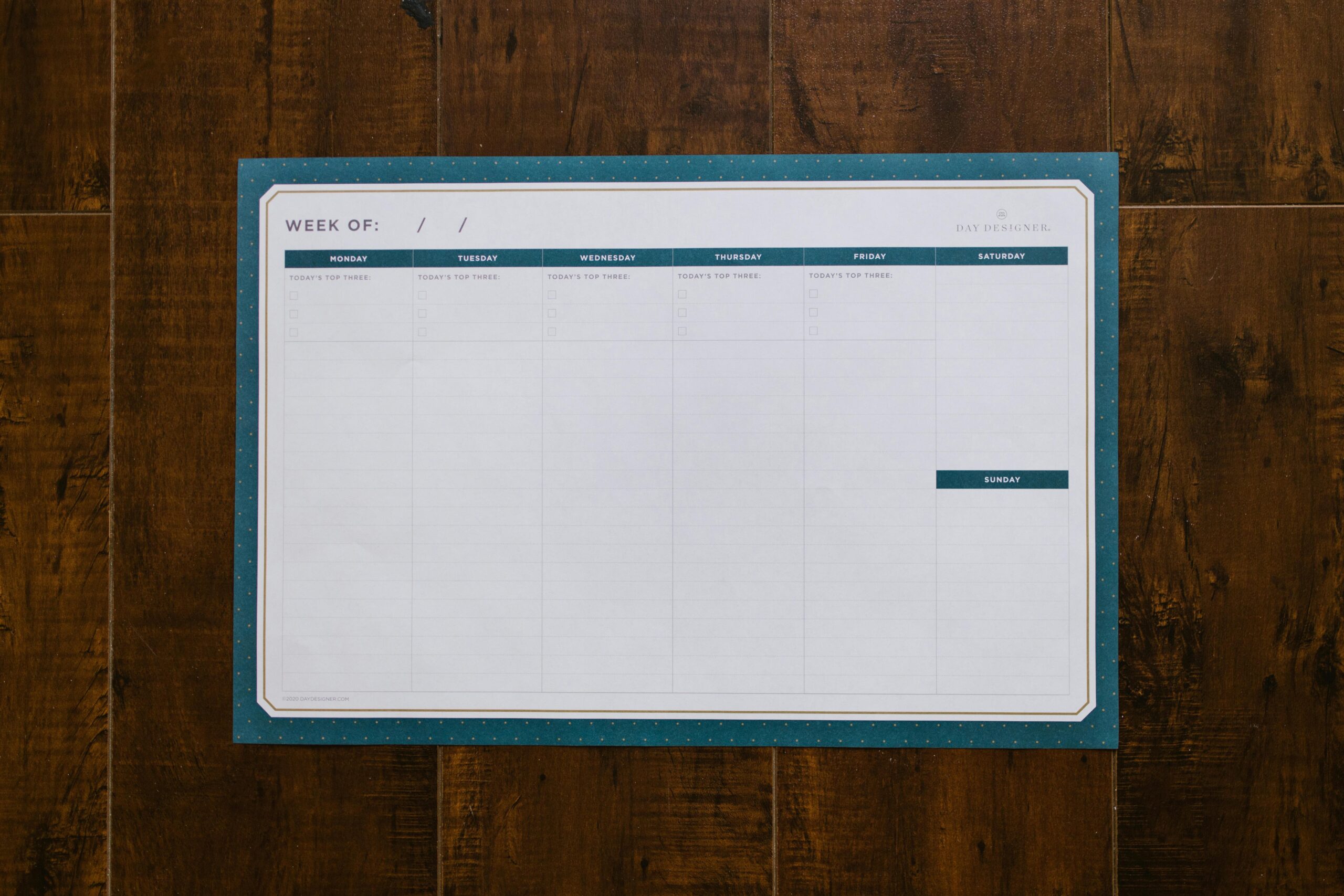
Start your planning at least two to three weeks before your first exam. This buffer period allows you to review all material comprehensively rather than rushing through topics superficially. Begin by gathering all relevant information about your exams: dates, times, formats, and the scope of material covered.
Create a visual calendar that displays all your exam dates prominently. This overview helps you identify which exams are clustered together and which subjects need priority attention. Color-coding different subjects makes your schedule more intuitive and easier to follow at a glance.
Conducting Your Academic Audit
Before allocating study time, honestly assess your current understanding of each subject. Rank your courses from most challenging to least challenging, and identify specific topics within each subject that require extra attention. This self-awareness prevents the common trap of spending too much time on comfortable material while avoiding difficult concepts.
Review past assignments, quizzes, and feedback from professors to identify your weak areas. These insights are invaluable for targeted studying. Also, check if any professors have provided study guides, practice exams, or hints about exam content during lectures.
⏰ The Time-Blocking Strategy for Maximum Productivity
Time-blocking is a powerful technique where you assign specific subjects or tasks to designated time slots throughout your day. This method creates structure and prevents decision fatigue about what to study next. The key is creating blocks that align with your natural energy rhythms.
Most people experience peak cognitive performance during specific times of the day. Identify whether you’re a morning person, night owl, or afternoon achiever, and schedule your most challenging subjects during your personal peak hours. Reserve lower-energy periods for review, organizing notes, or lighter material.
Optimal Study Block Duration
Research on attention spans and learning efficiency suggests that study sessions between 45-90 minutes produce the best results. Beyond this window, cognitive performance typically declines, making additional study time less productive. Structure your schedule around these focused blocks, followed by meaningful breaks.
The Pomodoro Technique, which involves 25-minute focused sessions followed by 5-minute breaks, works exceptionally well for some students, particularly when tackling monotonous material or fighting procrastination. Experiment with different timing patterns to discover what keeps you most engaged.
🧠 Strategic Study Techniques for Different Exam Formats
Not all exams require the same preparation approach. Multiple-choice tests demand different strategies than essay exams, practical assessments, or oral presentations. Tailor your study methods to match the assessment format you’ll face.
For multiple-choice exams, focus on broad coverage of material, recognition rather than recall, and practice with similar question formats. Essay exams require deeper conceptual understanding, the ability to synthesize information, and practice articulating ideas clearly within time constraints.
Active Learning Methods That Actually Work
Passive reading and highlighting are among the least effective study methods, yet they’re incredibly common. Instead, engage with material actively through techniques like self-testing, teaching concepts to others, creating mind maps, and working through practice problems.
The retrieval practice method—actively recalling information from memory rather than simply reviewing it—has been proven to strengthen long-term retention significantly. Use flashcards, practice tests, or simply close your notes and write out everything you remember about a topic to harness this powerful learning technique.
🛡️ Building Stress Management Into Your Schedule
Stress management isn’t something to squeeze in if time permits—it’s a fundamental component of effective exam preparation. Schedule regular stress-relief activities with the same commitment you give to study blocks. These aren’t distractions from your goal; they’re essential tools for achieving it.
Physical exercise, even just 20-30 minutes of walking, significantly reduces stress hormones while improving mood and cognitive function. Schedule movement breaks between study sessions, and consider more vigorous exercise as part of your daily routine during exam week.
The Power of Strategic Breaks
Not all breaks are created equal. Scrolling through social media might feel relaxing, but it often leaves you more drained than refreshed. Effective breaks involve genuinely different activities: stepping outside, stretching, having a healthy snack, chatting with friends, or practicing brief meditation or breathing exercises.
Plan longer breaks for meals where you can disconnect completely from academics. These mental resets help prevent burnout and keep your mind fresh for the next study session. Consider the 52-17 rule: work focused for 52 minutes, then take a 17-minute break for optimal productivity.
💤 Protecting Your Sleep During Exam Week
Sleep deprivation is one of the most counterproductive exam strategies, yet countless students sacrifice rest for extra study hours. Research consistently shows that sleep is when your brain consolidates memories and processes information learned during the day. Cutting sleep to study more actually reduces your ability to retain that information.
Schedule at least seven to eight hours of sleep per night, and resist the temptation to pull all-nighters. If you must choose between an extra hour of studying and an extra hour of sleep, choose sleep—your exam performance will likely be better for it.
Pre-Exam Night Routine
The night before an exam is not the time for intensive studying. Instead, do a light review of key concepts, organize everything you need for exam day, and establish a calming evening routine. Avoid screens for at least an hour before bed, as blue light interferes with your body’s natural sleep signals.
Consider a brief review session in the morning before your exam rather than late-night cramming. Your mind will be fresher, and morning review helps activate the knowledge you need without the anxiety that often accompanies midnight study sessions.
📱 Leveraging Technology Wisely
Technology can be either your greatest ally or biggest distraction during exam preparation. The key is using digital tools intentionally to support your goals rather than allowing them to fragment your attention. Calendar apps, task managers, and specialized study applications can significantly enhance your organization and efficiency.
Digital calendars allow you to set reminders for study blocks, breaks, and exam times. Task management apps help you break large study goals into manageable subtasks, creating a sense of progress and accomplishment. However, establish clear boundaries about recreational app use during study time.
Creating a Distraction-Free Study Environment
Use technology to minimize interruptions during focus periods. Enable “Do Not Disturb” mode on your devices, use website blockers to prevent access to distracting sites, and consider apps specifically designed to promote focused work. Communicate your schedule to friends and family so they understand when you’re unavailable.
If you study with music, choose instrumental options or specially designed focus playlists that enhance concentration rather than demanding attention. Some students benefit from ambient sounds like coffee shop noise or nature sounds, which can mask distracting environmental sounds without being distracting themselves.
🤝 Study Groups: When They Help and When They Hurt
Study groups can be incredibly valuable, but they require structure to be productive. Schedule specific times for group study, establish clear goals for each session, and ensure all participants come prepared. Without these guidelines, study groups often devolve into social gatherings that waste valuable time.
The optimal study group size is typically three to five people. This allows for diverse perspectives and collaborative problem-solving without becoming unwieldy. Assign roles for each session: someone to keep time, someone to guide discussion, and someone to summarize key points at the end.
However, recognize that not all studying should be collaborative. Individual study time for initial learning and personal review is essential. Schedule group sessions strategically—perhaps for practice tests, discussing challenging concepts, or teaching material to each other.
🍎 Fueling Your Brain for Peak Performance
Nutrition directly impacts cognitive function, mood, energy levels, and stress resilience. During exam week, prioritize foods that provide sustained energy rather than quick sugar spikes. Complex carbohydrates, lean proteins, healthy fats, and plenty of water should form the foundation of your exam-week diet.
Avoid the temptation to rely on excessive caffeine or energy drinks. While moderate caffeine can enhance alertness, too much leads to jitters, anxiety, and inevitable crashes that harm studying more than they help. If you consume caffeine, do so strategically and moderately, and never as a replacement for adequate sleep.
Keep healthy snacks readily available during study sessions: nuts, fruits, vegetables with hummus, yogurt, or whole-grain options. These provide steady energy without the blood sugar rollercoaster that comes from vending machine snacks and can help maintain focus during long study blocks.
🎓 The Day-Before Strategy
Twenty-four hours before your exam, shift your approach dramatically. This is not the time for learning new material or intensive study. Instead, focus on light review of key concepts, organizing your thoughts, and preparing physically and mentally for the test itself.
Create a one-page summary sheet of the most critical information, formulas, or concepts. The act of creating this summary reinforces your knowledge, and you can review it briefly in the morning. Check all practical details: exam location, required materials, timing, and any special instructions.
Engage in confidence-building activities. Review material you know well to remind yourself of your competence. Visualize yourself successfully completing the exam. Use positive self-talk to counter any anxiety or negative thoughts that arise.
✨ Post-Exam Recovery and Reflection
After each exam, allow yourself a genuine break before diving into preparation for the next one. This mental recovery period is crucial for maintaining energy and focus throughout exam week. Do something enjoyable and completely unrelated to academics, even if just for an hour or two.
Once you’ve rested, conduct a brief reflection on what worked well in your preparation and what you’d adjust for future exams. This ongoing optimization helps you improve your strategy as exam week progresses. Note which study techniques were most effective, how accurate your time estimates were, and any unexpected challenges you encountered.
🚀 Turning Your Plan Into Reality
The most comprehensive schedule in the world is worthless without implementation. Start your schedule immediately—don’t wait for the “perfect” moment to begin. Build momentum through small wins, and adjust your plan as needed based on real-world feedback about what works for your specific situation.
Share your schedule with someone who can provide accountability—a friend, family member, or study partner. This external commitment makes you more likely to follow through when motivation wanes. Celebrate your adherence to the schedule, not just exam outcomes, reinforcing the behaviors that lead to success.
Remember that perfection isn’t the goal—consistent effort is. Some days won’t go according to plan, and that’s okay. The key is getting back on track quickly rather than abandoning your schedule entirely when faced with inevitable disruptions. Flexibility within structure is the secret to sustainable exam preparation.
Exam week represents an opportunity to demonstrate not just your knowledge of course material, but your ability to plan, execute, and perform under pressure. These organizational and self-management skills extend far beyond academics into every area of life and career. By mastering your exam schedule, you’re developing capabilities that will serve you throughout your educational journey and professional life.
Start planning today, commit to your schedule, trust your preparation, and approach exam week with confidence rather than dread. Success isn’t about last-minute heroics—it’s about consistent, strategic effort guided by a well-designed plan that respects both your academic goals and your overall wellbeing.