
In today’s fast-paced world, staying organized isn’t just practical—it’s essential. A printable weekly schedule planner can transform chaos into clarity, helping you reclaim control over your time.

Whether you’re juggling work deadlines, family commitments, or personal goals, the right planner layout makes all the difference. The beauty of printable planners lies in their flexibility, allowing you to customize your organizational system to match your unique lifestyle and preferences. From minimalist designs to colorful, creative templates, there’s a perfect weekly planner waiting to revolutionize how you approach your days.
Why Printable Weekly Planners Still Matter in the Digital Age 📱
Despite living in an increasingly digital world, printable weekly planners continue to thrive for compelling reasons. Research shows that writing things down by hand improves memory retention and cognitive processing. When you physically write your schedule, you’re engaging multiple areas of your brain simultaneously, creating stronger neural connections than typing on a keyboard.
Printable planners offer a tangible connection to your goals and tasks. There’s something satisfying about crossing off completed items with a real pen, providing instant visual feedback on your progress. Unlike digital apps that can distract you with notifications, a paper planner keeps you focused on what truly matters.
Additionally, printable planners don’t require batteries, internet connections, or software updates. They’re always accessible, never crash, and provide a break from screen time—something increasingly valuable as digital fatigue becomes more common.
Understanding Different Weekly Planner Layout Styles ✨
Not all weekly planners are created equal. Understanding the various layout styles helps you choose the format that best aligns with your planning personality and organizational needs.
Horizontal Weekly Layouts
Horizontal layouts display your week across the page from left to right, with each day occupying a column. This format provides a comprehensive overview of your entire week at a glance, making it perfect for people who need to see how tasks and appointments align across multiple days. It’s particularly useful for coordinating schedules with family members or planning projects that span several days.
The horizontal approach works wonderfully for visual thinkers who benefit from seeing patterns and relationships between activities on different days. You can quickly identify busy periods and intentionally schedule breaks or lighter days to maintain balance.
Vertical Weekly Layouts
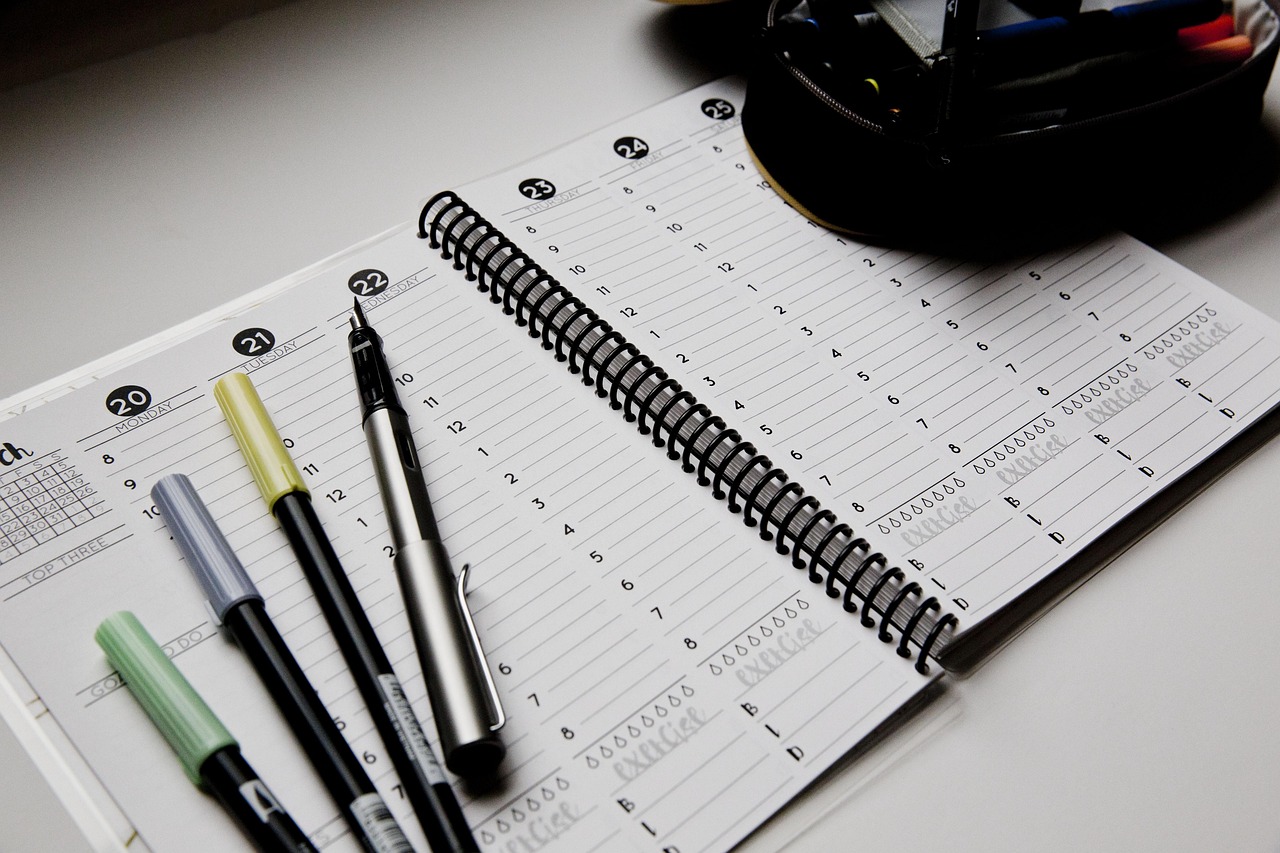
Vertical layouts stack days from top to bottom, offering more writing space for each individual day. This format suits people with detailed daily schedules or those who prefer a more focused, day-by-day approach to planning. The expanded space accommodates longer task lists, detailed notes, and specific time blocks without feeling cramped.
Many professionals favor vertical layouts because they mirror traditional appointment books and allow for hourly scheduling within each day’s section.
Time-Blocked Weekly Planners
Time-blocked planners divide each day into specific hourly or half-hourly segments. These layouts are ideal for individuals who need precise schedule management, such as busy executives, healthcare professionals, or anyone managing back-to-back appointments. Time blocking helps prevent overcommitment by visually showing exactly how much time you have available.
This format encourages intentional scheduling and helps you allocate appropriate time for tasks, reducing the tendency to underestimate how long activities actually take.
Minimalist Weekly Spreads
Minimalist planners embrace simplicity with clean lines, ample white space, and no unnecessary decorative elements. These layouts appeal to people who find excessive design distracting or who prefer to customize their planners with their own color-coding systems, stickers, or doodles.
The minimalist approach focuses attention on content rather than decoration, creating a calming planning experience that reduces visual overwhelm.
Essential Features to Look for in Your Perfect Weekly Planner 🎯
When selecting a printable weekly schedule planner, certain features significantly enhance functionality and user experience. Consider these elements as you evaluate different options.
Goal Setting Sections
Effective planners include dedicated space for weekly goals or priorities. This feature connects daily tasks to bigger objectives, ensuring your activities align with what truly matters. Starting each week by identifying your top three to five goals provides direction and helps you make better decisions about how to spend your time.
Habit Tracking Components
Many modern weekly planners incorporate habit trackers, allowing you to monitor daily practices that contribute to long-term success. Whether you’re building exercise consistency, maintaining hydration goals, or developing a reading habit, visual tracking creates accountability and motivation.
Notes and Reflection Spaces
Quality planners provide areas for notes, thoughts, or weekly reflections. This flexibility accommodates unexpected information, brainstorming sessions, or end-of-week reviews that help you learn and improve your planning process over time.
Meal Planning Integration
For those managing household responsibilities, weekly planners that include meal planning sections streamline multiple aspects of life organization. Coordinating your meal prep with your schedule reduces stress and improves both nutrition and time management.
Customizing Your Printable Planner for Maximum Effectiveness 🖊️
The true power of printable planners lies in their customizability. Here’s how to personalize your planner to serve your specific needs perfectly.
Developing Your Personal Color-Coding System
Color-coding transforms a basic planner into a powerful visual tool. Assign specific colors to different life areas—perhaps blue for work tasks, green for health and fitness, yellow for family commitments, and pink for personal development. This system allows you to instantly assess whether your week is balanced across important life domains.
Consistency is key with color-coding. Once you establish your system, use it consistently across weeks to develop automatic recognition and reduce the mental energy required to interpret your schedule.
Incorporating Symbols and Icons
Develop a personal shorthand using symbols and icons to convey information quickly. A star might indicate high-priority items, a circle could represent phone calls needed, and a square might denote tasks requiring deep focus. These visual cues make scanning your planner faster and more intuitive.
Adding Motivational Elements
Personalize your planner with inspirational quotes, affirmations, or small illustrations that boost your mood when reviewing your schedule. These positive touches transform planning from a purely functional activity into something more enjoyable and personally meaningful.
Maximizing Productivity with Strategic Weekly Planning ⚡
Having the perfect planner layout is only the beginning. Implementing strategic planning practices amplifies your productivity significantly.
The Sunday Setup Ritual
Dedicate time each Sunday evening to review the upcoming week. Transfer appointments from other sources, identify your weekly goals, and anticipate potential challenges. This proactive approach starts your week with clarity and confidence rather than Monday morning scrambling.
During your Sunday setup, also review the previous week. What went well? What didn’t get accomplished? This reflection helps you make realistic commitments for the coming week and continuously improve your planning accuracy.
Time Blocking Your Priorities
Don’t just list tasks—schedule them. Assign specific time blocks to your most important activities, treating these appointments with yourself as seriously as meetings with others. This practice ensures that truly important tasks receive the attention they deserve rather than constantly being postponed for urgent but less significant matters.
Building in Buffer Time
Effective planners understand that unexpected events inevitably arise. Schedule buffer periods between appointments and avoid back-to-back commitments whenever possible. This breathing room reduces stress, accommodates life’s unpredictability, and prevents your entire schedule from derailing when one thing runs long.
The Two-Minute Rule Application
When planning your week, identify tasks that take less than two minutes and either complete them immediately or batch them together. This approach prevents small tasks from cluttering your schedule while ensuring they don’t fall through the cracks.
Digital Tools That Complement Your Printable Planner 💻
While printable planners offer unique benefits, certain digital tools can enhance your overall organizational system without replacing the tactile planning experience.
Calendar apps serve as excellent companions to paper planners, particularly for managing recurring appointments and receiving reminders. Many people find success using digital calendars for time-specific commitments while reserving their printable planners for task management, goal tracking, and reflective planning.
Note-taking apps can capture thoughts and ideas throughout the day, which you then transfer to your weekly planner during your daily or weekly review sessions. This hybrid approach ensures no important information gets lost while maintaining the cognitive benefits of handwriting your actual plan.
Creating an Effective Weekly Planning Routine 📅
Consistency transforms planning from an occasional activity into a powerful habit that drives continuous productivity improvements.
The Morning Preview
Start each day with a five-minute planner review. Read through your scheduled activities, confirm your top priorities, and mentally prepare for what’s ahead. This brief practice focuses your attention and helps you make intentional choices throughout the day.
The Evening Review
End your day with a quick check-in. Mark completed tasks, note any items that need to carry over to the next day, and jot down thoughts about tomorrow’s priorities. This closing ritual creates psychological completion, helping you disconnect from work mode and enjoy your personal time more fully.
The Weekly Reflection
Beyond the Sunday setup ritual, conduct a deeper weekly reflection monthly. Analyze patterns in your productivity, identify recurring obstacles, and celebrate your progress. This meta-level review helps you refine your planning system continuously and stay aligned with long-term goals.
Troubleshooting Common Weekly Planning Challenges 🔧
Even with the perfect planner layout, you may encounter obstacles. Here’s how to address the most common planning challenges.
When Your Plan Constantly Changes
If your schedule frequently shifts, consider using pencil instead of pen, or embrace the flexibility of sticky notes within your planner. Some people find success with a “flex day” column that accommodates tasks bumped from their original time slots.
Remember that your planner serves you—not the other way around. Adjusting plans isn’t failure; it’s realistic responsiveness to life’s dynamic nature.
Overcoming Planning Perfectionism
Many people abandon planning systems because they can’t maintain “perfect” planners. Release the expectation of perfection. Crossed-out items, messy handwriting, and imperfect layouts don’t diminish your planner’s effectiveness. Function matters far more than aesthetics.
Dealing with Overwhelming Task Lists
If your weekly plan consistently includes more tasks than you can realistically accomplish, practice more rigorous prioritization. Identify your top three non-negotiable items for each day and treat everything else as “bonus” tasks. This approach reduces overwhelm and increases your sense of accomplishment.
Where to Find Quality Printable Weekly Planner Templates 🌟
Numerous resources offer free and premium printable weekly planner templates to suit every style and need.
Websites specializing in printable planners provide extensive collections with various layouts, designs, and features. Many offer both free basic versions and premium options with additional functionality. Popular platforms include dedicated planner sites, creative marketplaces, and productivity blogs.
Social media platforms, particularly Pinterest, serve as excellent discovery tools for finding planner layouts that match your aesthetic preferences. You can save favorites to boards and easily compare different styles before committing to printing.
For those with specific requirements, consider customizable templates that allow you to adjust elements like day start times, section sizes, or included features before printing. This flexibility ensures your planner perfectly matches your unique needs.
Making Your Weekly Planner System Sustainable Long-Term 🌱
The most effective organizational system is the one you’ll actually maintain. Build sustainability into your planning practice from the beginning.
Keep It Simple
Resist the temptation to create overly complex systems with elaborate color-coding, multiple tracking components, and detailed categorizations. Start simple and add complexity only if specific needs emerge. Simplicity increases consistency.
Regular System Evaluation
Schedule quarterly reviews of your planning system itself. Is your current layout still serving you well? Have your needs changed? Are certain sections consistently unused? Adapt your approach as your life and priorities evolve.
Celebrate Small Wins
Acknowledge your planning successes, however small. Completing your weekly setup on time, following through on your top priority for three consecutive days, or accurately estimating how long tasks take—these victories reinforce your planning habit and build momentum.
Transform Your Weeks Starting Today 🚀
The journey to better organization and increased productivity begins with a single step: choosing a weekly planner layout that resonates with your personal style and practical needs. Whether you prefer minimalist simplicity or detailed time blocking, horizontal overviews or vertical day-by-day formats, the perfect printable weekly schedule planner is waiting to transform how you navigate your days.
Remember that effective planning is a skill that develops with practice. Your first few weeks might feel awkward as you establish new habits and refine your system. Persist through this learning curve, making adjustments as needed, and soon you’ll wonder how you ever managed without your trusty weekly planner.
The combination of the right layout, personalized customization, strategic planning practices, and consistent routines creates a powerful productivity system that helps you accomplish more while feeling less stressed. Your printable weekly planner becomes more than just a schedule—it transforms into a roadmap for intentional living, helping you allocate time to what truly matters and make steady progress toward your most important goals.
Start exploring different weekly planner layouts today, experiment with various features and formats, and discover the organizational style that helps you thrive. Your most productive, balanced, and fulfilling weeks are just a printout away!