
Time management has become one of the most critical skills in our fast-paced modern world. With endless tasks competing for attention, professionals and students alike struggle to maintain focus and accomplish their goals efficiently.

The solution lies in structured planning, specifically through time-blocking—a proven method that transforms chaotic schedules into organized, productive days. By dedicating specific time slots to particular tasks, you create boundaries that protect your focus and energy, ultimately allowing you to achieve more while feeling less overwhelmed.
🎯 Understanding Time-Blocking: The Foundation of Effective Scheduling
Time-blocking is a time management technique where you divide your day into distinct blocks, each dedicated to accomplishing a specific task or group of tasks. Unlike traditional to-do lists that simply catalogue what needs doing, time-blocking assigns each activity a specific place in your calendar, treating your time as the finite resource it truly is.
This method gained popularity among high-achievers like Elon Musk and Bill Gates, who famously schedule their days in five-minute increments. While such granularity isn’t necessary for everyone, the principle remains powerful: when you decide in advance how you’ll spend your time, you eliminate decision fatigue and create accountability for your priorities.
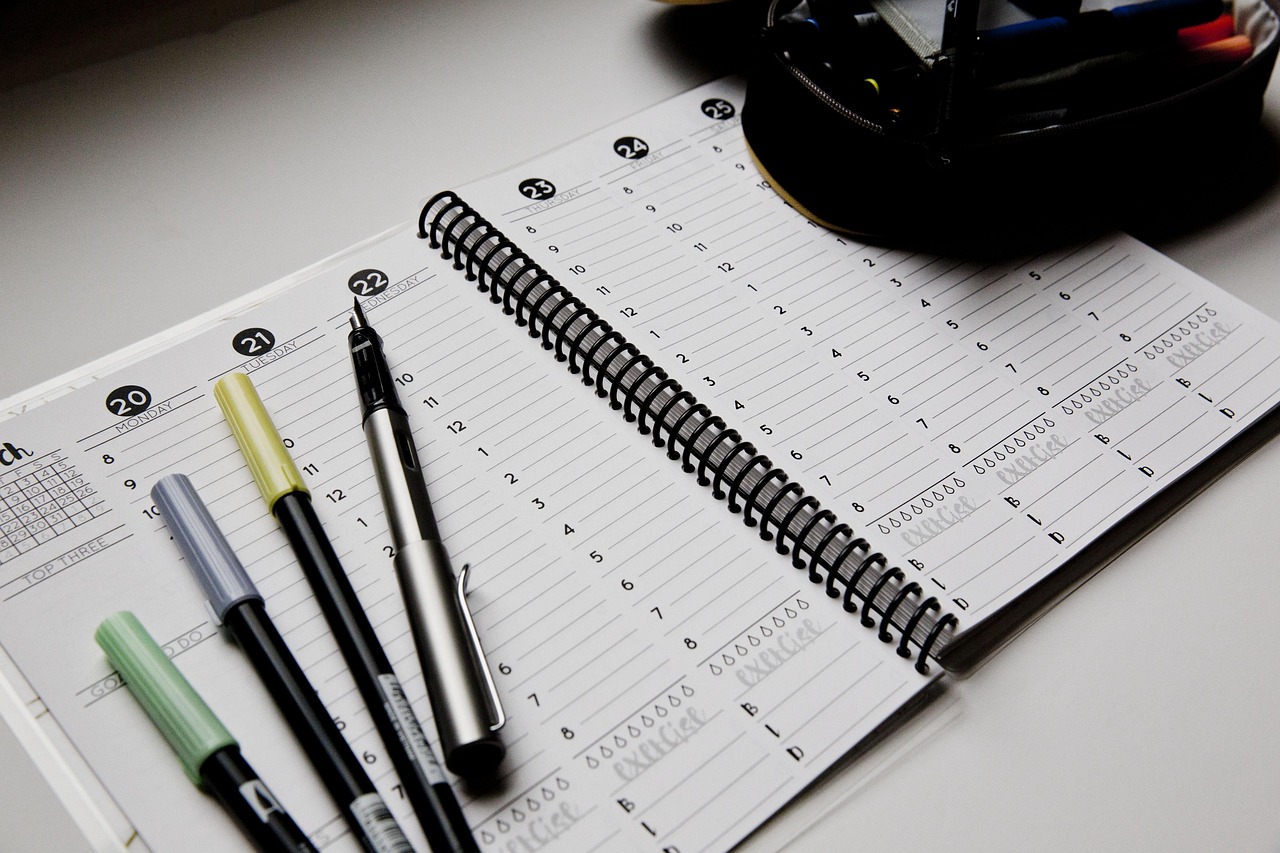
The weekly planner template serves as the canvas for this strategy, providing structure while maintaining flexibility. Rather than planning day-by-day, a weekly view allows you to balance workload across multiple days, identify patterns in your energy levels, and ensure important tasks don’t fall through the cracks.
📋 Why Weekly Planning Outperforms Daily Planning
Daily planning certainly has merit, but weekly planning offers strategic advantages that make it superior for most professionals. When you view an entire week at once, you gain perspective that daily planning simply cannot provide.
First, weekly planning helps you distribute tasks more evenly. If Wednesday looks overwhelming while Thursday seems light, you can proactively move non-urgent items to balance your workload. This prevents burnout and ensures consistent productivity throughout the week.
Second, a weekly template helps you allocate time for different life areas. You can ensure that exercise, family time, professional development, and deep work all receive dedicated attention rather than hoping they’ll somehow fit into remaining gaps.
Third, weekly planning enhances your ability to handle unexpected disruptions. When something urgent arises on Tuesday, you can quickly identify available time slots later in the week to reschedule displaced tasks, maintaining momentum on your priorities.
🛠️ Essential Components of an Effective Time-Blocking Weekly Planner
Not all weekly planners are created equal. The most effective time-blocking templates include several key components that maximize their utility and ensure they actually get used consistently.
Time Slots with Appropriate Granularity
Your planner should divide days into time blocks that match your working style. For most people, 30-minute or one-hour increments work well. Professionals handling varied tasks might prefer 30-minute blocks for flexibility, while those engaged in deep work might opt for longer blocks of two to three hours.
The template should typically span from early morning to evening—roughly 6 AM to 10 PM—to accommodate different chronotypes and allow planning for both work and personal activities.
Priority Indicators and Color Coding
Visual differentiation makes your schedule scannable at a glance. Effective templates incorporate space for color coding or symbols that distinguish between task categories: client work, administrative tasks, personal time, deep work sessions, and meetings.
This visual system helps you quickly assess whether your week reflects your stated priorities or if certain areas are receiving disproportionate attention.
Weekly Goals and Reflections Section
Before diving into time blocks, you need clarity on what you’re working toward. Quality templates include a dedicated space at the top for three to five weekly goals or priorities. This ensures your scheduled activities align with your broader objectives.
Similarly, a reflection area at the bottom allows you to assess what worked, what didn’t, and what adjustments to make for the following week—turning planning into an iterative improvement process.
Buffer Time and Flexibility Zones
Rigid schedules break when reality intervenes. Smart templates incorporate buffer blocks—unscheduled 15-30 minute gaps between major activities that absorb overruns and provide transition time.
Additionally, leaving one or two larger “flex blocks” each day creates space for urgent matters without derailing your entire schedule.
⚡ The Psychology Behind Time-Blocking Success
Time-blocking works not just because of its organizational benefits, but because it aligns with fundamental psychological principles about how humans function optimally.
The Zeigarnik Effect explains why unfinished tasks create mental tension that drains cognitive resources. When you assign tasks to specific time blocks, your brain can relax, trusting that everything has its designated time. This reduces background anxiety and improves focus on your current activity.
Parkinson’s Law states that work expands to fill the time available. By allocating fixed time blocks to tasks, you create helpful constraints that encourage efficiency and prevent perfectionism from consuming excessive time.
Decision fatigue diminishes your willpower and judgment as the day progresses. Time-blocking eliminates countless micro-decisions about what to work on next, preserving mental energy for the work itself rather than wasting it on scheduling decisions.
📝 How to Implement Your Time-Blocking Weekly Planner Template
Having the right template is only the beginning. Implementation determines whether time-blocking becomes a transformative habit or another abandoned productivity experiment.
Step 1: Conduct a Time Audit
Before creating your ideal schedule, understand your current reality. Track how you actually spend time for one week without judgment. This baseline reveals time-wasters, identifies your peak performance hours, and shows where improvements are needed.
Step 2: Define Your Non-Negotiables
Start your weekly template with fixed commitments: recurring meetings, school pick-ups, exercise routines, and sleep schedules. These anchor points provide structure around which flexible tasks can flow.
Be honest about truly necessary commitments versus those maintained from habit or guilt. The fewer fixed obligations, the more control you retain over your schedule.
Step 3: Block Deep Work Time First
Reserve your highest-quality attention for your most important work. Before scheduling meetings or administrative tasks, protect blocks for deep, focused work on priority projects.
For most people, cognitive peak occurs during morning hours. Guard this precious time jealously for tasks requiring creativity, strategic thinking, or complex problem-solving.
Step 4: Batch Similar Tasks Together
Task-switching depletes mental energy and reduces efficiency. Group similar activities into dedicated blocks: schedule all meetings consecutively, handle all email during two or three designated periods, complete all phone calls in one session.
This batching minimizes context-switching and allows you to build momentum within task categories.
Step 5: Schedule Recovery and Buffer Time
Productivity isn’t about filling every moment with work. Schedule breaks, meals, exercise, and genuine rest. These aren’t optional luxuries—they’re essential maintenance that sustains performance.
Plan buffer time between meetings and major tasks to prevent cascading delays and provide mental transition space.
Step 6: Review and Adjust Regularly
Set a recurring weekly planning session—Sunday evening or Friday afternoon works well—to review the past week and plan the next. This ritual ensures continuous improvement and maintains alignment between your schedule and priorities.
🚀 Advanced Time-Blocking Strategies for Maximum Productivity
Once you’ve mastered basic time-blocking, several advanced techniques can further enhance your productivity and schedule satisfaction.
Theme Days for Entrepreneurs and Freelancers
Rather than splitting attention across multiple projects daily, dedicate entire days to specific work types. Marketing Monday, Client Tuesday, Creation Wednesday—this approach allows deeper immersion and reduces mental fragmentation.
Energy Mapping for Strategic Scheduling
Not all hours are equal. Track your energy levels throughout the day for a week, noting when you feel most alert, creative, and focused. Schedule demanding cognitive work during peak periods and save routine tasks for energy valleys.
The 3-1-3 Method
Start each day with three hours of deep work on your most important project, followed by one hour of meetings and collaboration, then three more hours of moderately demanding work. This pattern protects morning cognitive resources while maintaining social connection and variety.
Reverse Scheduling for Work-Life Integration
Schedule personal priorities—exercise, hobbies, family time—first, then fit work around them. This ensures life doesn’t perpetually take the back seat to professional demands and creates healthy boundaries that prevent burnout.
🔧 Common Time-Blocking Mistakes and How to Avoid Them
Even with the best intentions and templates, certain pitfalls can undermine your time-blocking efforts.
Over-optimism about task duration creates schedules that feel like constant failure. Combat this by initially overestimating time requirements, then adjusting based on experience. Adding 25% to your initial estimates usually yields realistic schedules.
Scheduling every minute leaves no room for reality’s unpredictability. Aim to schedule only 60-70% of available time, leaving substantial space for interruptions, overruns, and opportunities.
Treating your schedule as inflexible creates stress rather than freedom. Time-blocking provides structure, not imprisonment. When genuine priorities shift, adjust your blocks without guilt.
Neglecting to block personal time sends the message that rest and relationships are unimportant. Schedule self-care and social activities with the same respect you afford professional commitments.
💡 Choosing Between Digital and Paper Weekly Planners
The debate between digital and analog planning systems continues, with valid arguments on both sides. Your choice should reflect your personal preferences and lifestyle.
Digital planners offer convenience, portability, and powerful features like automatic recurring events, reminders, and easy rescheduling. They integrate with other productivity tools and are accessible across devices. Calendar applications with time-blocking features can significantly streamline the planning process.
Paper planners provide tangible satisfaction, reduce screen time, and engage different cognitive processes through handwriting. Many people find the physical act of writing enhances memory and commitment. Paper also eliminates digital distractions during planning sessions.
Some productive individuals use a hybrid approach: planning digitally for accessibility and reminders while maintaining a paper planner for daily reference and the satisfaction of physically checking off completed blocks.
🌟 Customizing Your Template for Different Life Seasons
Your ideal weekly structure will evolve as your life circumstances change. Effective planners adapt to different seasons rather than forcing unchanging systems.
Students during exam periods need larger blocks for studying and review, with minimal social commitments. During regular semesters, balance shifts toward more social time and extracurricular activities.
Parents with young children require extreme flexibility and should focus on protecting just a few critical blocks rather than attempting comprehensive scheduling. As children age and gain independence, schedule capacity gradually increases.
Project-based professionals experience cycles of intense delivery followed by lighter periods. Your template should flex between these extremes rather than maintaining constant intensity.
🎓 Teaching Time-Blocking to Teams and Families
Time-blocking’s benefits multiply when entire teams or families adopt complementary systems. Shared understanding of how each person structures their time reduces conflicts and improves coordination.
For teams, establishing “focus blocks” when interruptions are minimized and “collaboration blocks” when communication is encouraged creates rhythm that benefits everyone. Shared calendar transparency prevents scheduling conflicts and demonstrates respect for protected work time.
Families benefit from weekly planning sessions where everyone shares their commitments and needs. This creates awareness, facilitates cooperation, and teaches children valuable time management skills early in life.
📊 Measuring Time-Blocking Success and Making Data-Driven Adjustments
What gets measured gets managed. Tracking key metrics reveals whether your time-blocking system delivers genuine improvements or just creates busywork.
Monitor your completion rate—what percentage of scheduled blocks were actually completed as planned? Rates consistently below 60% suggest unrealistic planning, while rates above 90% might indicate you’re not challenging yourself sufficiently.
Track your weekly progress on stated goals. If your three weekly priorities consistently remain incomplete, your schedule doesn’t align with your stated values, requiring adjustment to either goals or time allocation.
Assess your energy and satisfaction levels. Productivity without wellbeing is unsustainable. If you’re accomplishing tasks but feeling depleted and unhappy, revise your schedule to include more recovery and enjoyable activities.
🏆 Sustaining the Time-Blocking Habit Long-Term
Initial enthusiasm for new systems inevitably fades. Building sustainable habits requires intentional strategies that maintain momentum through motivation’s natural fluctuations.
Start small with just one or two time blocks per day rather than attempting comprehensive scheduling immediately. Gradually expand as the habit solidifies.
Link your planning routine to an existing habit. Review your weekly planner immediately after your Sunday morning coffee or Friday afternoon wrap-up meeting, leveraging established routines to support new behaviors.
Celebrate wins explicitly. When you complete a challenging deep work block or successfully navigate a chaotic day because of your planning, acknowledge the achievement. Positive reinforcement strengthens commitment.
Find an accountability partner who also uses time-blocking. Weekly check-ins where you share successes and challenges create external motivation that supplements internal discipline.
Remember that perfection isn’t the goal—improvement is. Some weeks will go according to plan; others will dissolve into chaos. The system’s value emerges over months and years, not individual days.
Time-blocking with a weekly planner template transforms time from something that happens to you into something you intentionally design. This shift from passive to active time management represents one of the most powerful changes you can make to boost productivity, reduce stress, and create space for what truly matters in your life.